
When people think of poverty, they often think about money (and the lack of it).
But poverty does not only mean having little or no income. It carries many hidden costs that are harder to see.
These costs affect a person’s health, education, housing, mental wellbeing, and more. They also have a long-term effect on society.
In this blog, we explain five of the most serious hidden costs of poverty.
The aim is to help you better understand what poverty really means for those who live through it.
Paying more for basic goods and services
One of the biggest hidden costs of poverty is that people often pay more for everyday items.
This may seem unfair, but it is the reality for millions.
If you do not have enough money to buy in bulk or plan your bills, you might end up paying more for food, utilities, or transport.
For example, many people in poverty rely on prepayment meters for gas and electricity, which are often more expensive than regular tariffs.
They may also need to use payday loans with very high interest rates if they cannot access fair credit. Alternatively, if they are miraculously eligible for a credit card, it will come with devastatingly high interest rates.
Even things like banking can cost more, with extra charges for overdrafts or late payments.
Essentially, the sad irony is that living in poverty is expensive. It traps people in a cycle where the less you have, the more you spend to survive.
Poor health and rising medical costs
Health and poverty are deeply linked. People living in poverty often face worse health outcomes.
They are more likely to develop long-term illnesses due to an imposed poor lifestyle, and to top it all off, they can’t afford good healthcare.
Preventive care is often out of reach due to cost, location, or lack of awareness.
This means many will have no choice but to wait until things get worse before seeking help.
As a result, they spend more on emergency care or treatment that could have been avoided. This includes not only direct medical costs but also the cost of taking time off work. People in poverty may lose income if they are too ill to work, but they also may not have access to sick pay.
Poor health keeps people poor and poverty makes people sicker.
Fewer chances in education and lower lifetime income
Education is often called a pathway out of poverty, but for many, that path is blocked.
Families in poverty struggle to cover costs such as uniforms, transport, books, or school meals.
These barriers often lead to lower school attendance and early drop-out rates. Without a good education, it is harder to find stable work or build a career. This reduces lifetime earnings and job security.
The effect is not limited to one generation. Children growing up in poverty are more likely to remain poor as adults. In theory, education is supposed to help level the playing field, but in practice, poverty limits access to it.
Unsafe and unstable housing
People on low incomes often live in areas with poor-quality buildings and limited safety.
Their homes may have problems like mould, damp, or broken heating.
These issues can make people ill and lead to extra costs, like higher energy bills or repeated trips to the doctor.
In many cases, tenants do not have the power to ask landlords for repairs. Others may face the risk of eviction or homelessness because they cannot keep up with rising rent. Living in unstable housing causes stress and anxiety, especially for families with children.
It becomes difficult to focus on anything else when you do not know if your home will still be yours next week.
Social stigma and mental health struggles
Poverty carries a strong sense of shame. People in poverty often feel judged or looked down upon by others. This stigma creates isolation and makes it harder to ask for help.
Over time, it leads to mental health challenges like depression, anxiety, and low self-esteem.
The emotional weight of being poor can be as damaging as the financial strain. Many people avoid using support services out of fear of being judged.
This further cuts them off from the help that could improve their lives. Social stigma keeps people stuck in poverty, even when they are doing their best to move forward.
Why these costs matter
These hidden costs are not random or rare. They affect millions around the world every day. And they are linked:
- Poor housing can lead to poor health.
- Lack of education can lead to low income.
- Shame and stigma can stop people from accessing care or support.
Together, these costs create a cycle that is very hard to break. And while individuals suffer, society also pays a price. Healthcare systems, schools, and welfare services all carry the burden of poverty-related costs.
It is easy to look at poverty as someone else’s problem, but these hidden costs affect us all.
Whether through increased pressure on public services or the loss of potential from those held back by poverty, we all share the consequences. Understanding these hidden costs is a first step toward a more just and compassionate society.
Who is Hussain and the battle against poverty
Who is Hussain teams work across the world to tackle poverty by offering direct support to people in need.
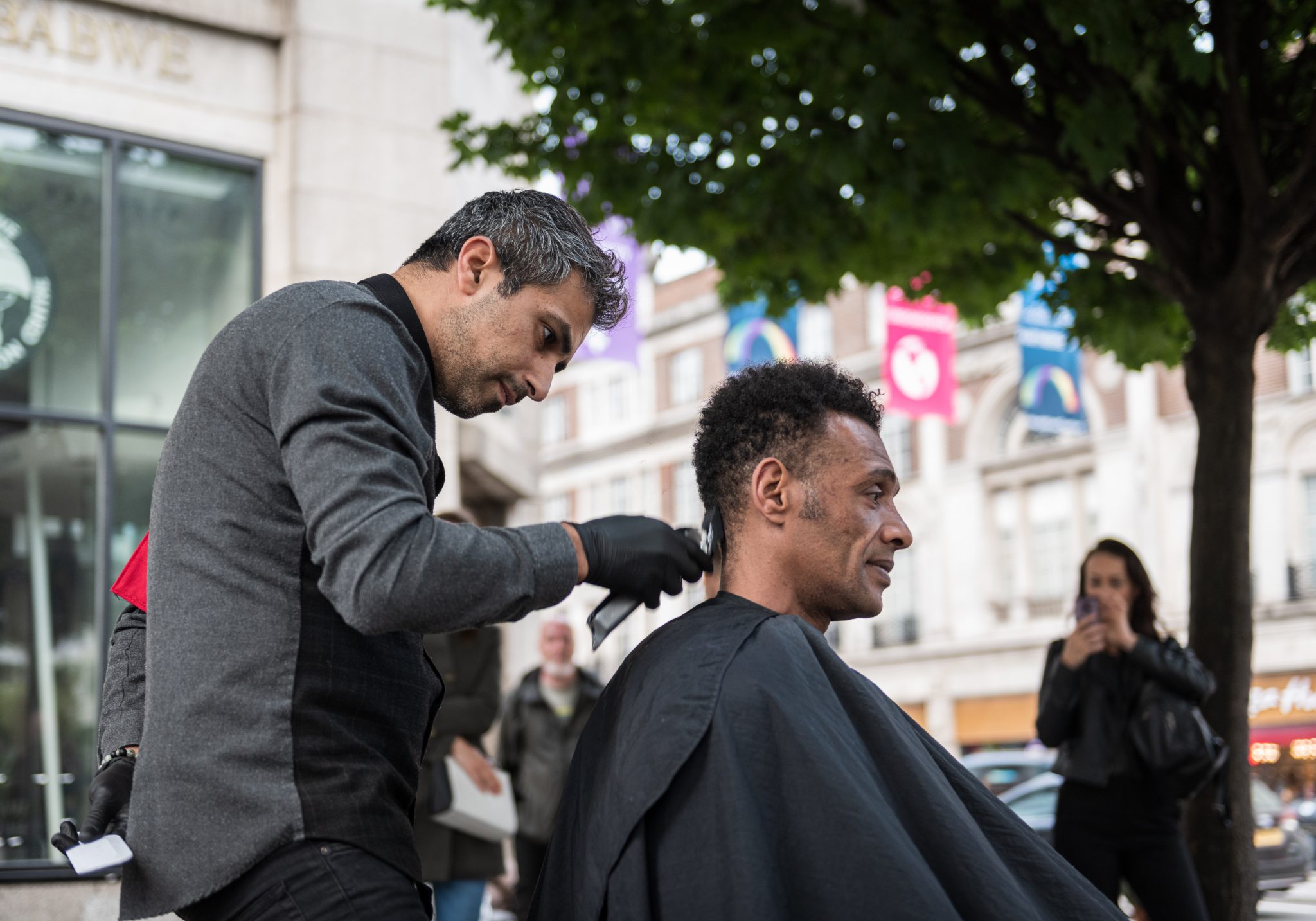
In London (UK), our team runs bi-weekly events to feed the homeless and help them rebuild their lives. In fact, one of their acts went viral when Muslim and Jewish members of the team joined together to offer free haircuts to rough sleepers.
 In Birmingham (UK), the team leads four food drives each week to make sure people have something to eat nearly every working day.
Moving across to North American shores, 23 of our volunteers in North Texas packed more than 8,600 pounds of fresh vegetables at a local food bank to support struggling families.
In Southern California, our team assembled 400 hygiene kits containing essentials like soap, shampoo, toothpaste, and sanitary products for those without regular access.
As you can see, our teams try and meet the holistic and regular needs of those with no stable income, essential items, or living quarters.
And these are only a few of our acts of service for the needy.
Each of these acts reflects our belief that dignity, health, and nourishment should never be out of reach.
Learn more by checking out the range of events held by our 60+ teams on Instagram.


