

World Mental Health Day: Caring for the Human Heart
Mental health struggles are not always visible. Often, they sit quietly beneath the surface…
Read more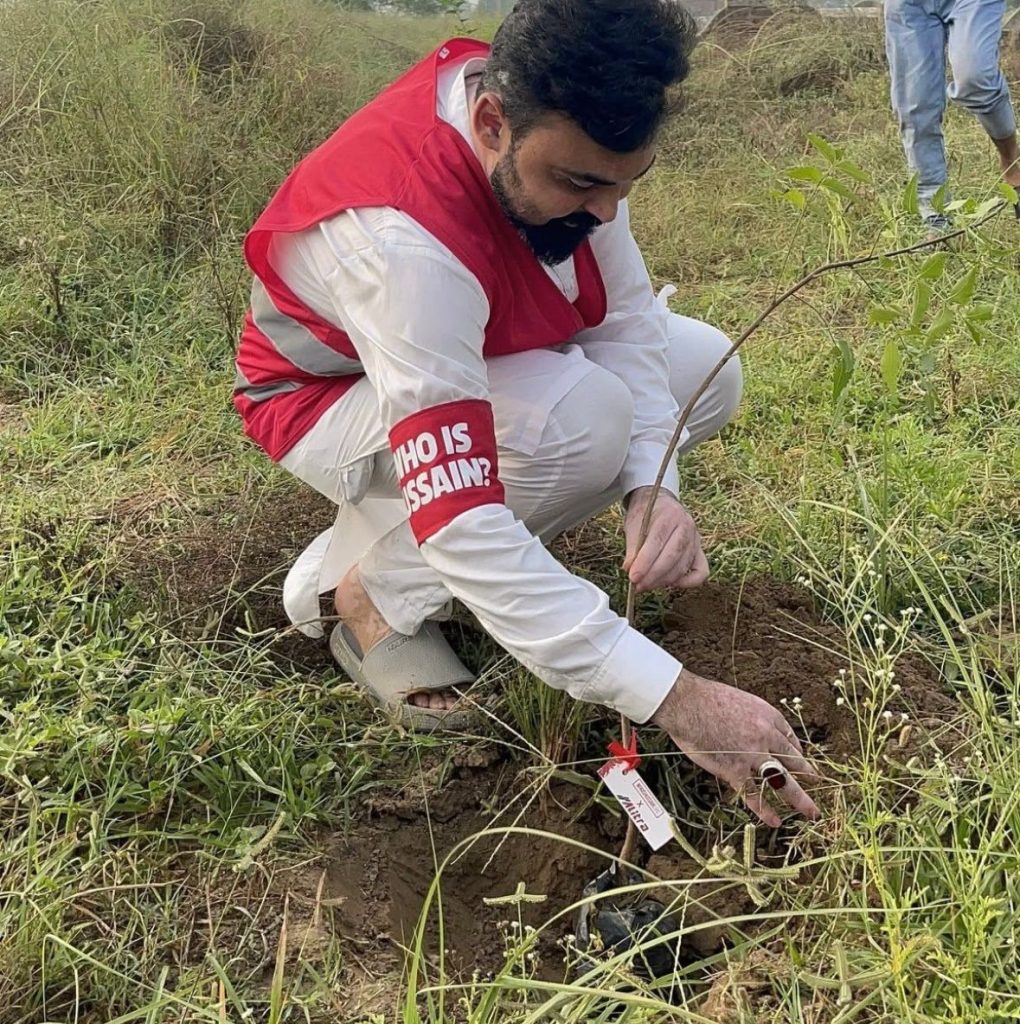
We rarely notice biodiversity until it begins to disappear.
It isn’t something most of us think about day to day. The trees outside our homes, the birds we hear in the morning, the balance that quietly sustains everything around us, it all feels constant, stable, unchanging. But the loss of biodiversity does not always happen in dramatic, visible ways, rather it is gradual: fewer species, less variety, ecosystems that no longer function as they once did. It is a slow erosion that is easy to overlook, until its effects begin to surface in ways we can no longer ignore.
When biodiversity declines, the consequences rarely appear in isolation. Crop yields become less reliable, weather patterns grow more unpredictable, and natural systems that once absorbed shocks such as floods or droughts become less resilient. Over time, what once felt distant begins to affect everyday life. This is when we realise that it is not just an environmental issue, but a human one.
When ecosystems are damaged, the impact is not felt equally. It is often the most vulnerable communities who experience the effects first and most severely. Those who rely directly on the land, on agriculture, on fishing, or on stable natural systems for their livelihoods are the ones most exposed when that balance is disrupted. For them, biodiversity is not abstract, but is directly tied to survival, stability, and dignity.
Biodiversity loss is, at its core, a question of responsibility: Who and what do we choose to protect?
It is easy to think of biodiversity as something distant, rainforests, oceans, endangered species far removed from our daily lives. But in reality, it is much closer. It exists in the systems that provide our food, regulate our climate, and shape the environments we move through every day.
And yet, despite this proximity, it often remains overlooked. Partly because it is complex, and partly because its decline is gradual. But also because it requires us to think long-term, to act not just for immediate benefit, but for the preservation of something we may not fully see.
Protecting biodiversity is not only about preserving landscapes or species. It is about recognising the importance of balance, and understanding that the natural world is not separate from us, but deeply connected to how we live and sustain one another.
Responsibility does not sit in theory alone. It is reflected in the choices we make, how we consume, how we waste, and how we engage with the world around us. Individually, these actions may feel small, but collectively, they shape the systems we rely on.
Across our teams around the world, this is reflected in practical, local action. Through coordinated efforts like our Compassion Without Borders campaign, teams across continents selected themes aligned to local needs, from tree planting to clean-up initiatives, turning intention into consistent, on-the-ground work.
In Adelaide, volunteers planted 2,500 trees across two sites, helping restore natural habitats and strengthen community engagement. In Kashmir, students came together to transform waste into creative eco-projects, reinforcing simple but powerful ideas around sustainability. In Sialkot, over 500 saplings were planted within a graveyard, creating a space that honours the past while contributing to a greener future.
These actions are simple, but they are consistent. They reflect an understanding that protecting what we have begins at a local level, and that small, repeated efforts contribute to long-term change: because awareness, on its own, is not enough.
At an individual level, protecting biodiversity does not always require large or complex changes. It often begins with how we live day to day. Choosing to reduce waste, limiting single-use plastics, and being more conscious about what we consume can all have a direct impact on the environments around us. Supporting local and sustainable producers, whether in food, clothing, or everyday goods, helps shift demand towards practices that are less harmful to ecosystems. Even small decisions, made consistently, begin to add up.
Protecting biodiversity requires sustained effort. The damage that has taken place cannot be reversed overnight, and meaningful change depends on long-term commitment, collaboration, and consistency. Across the world, there are signs of progress. Communities restoring local environments, individuals choosing more sustainable ways of living, and small actions coming together to create measurable change. These efforts may not always be visible, but they play a critical role in rebuilding balance over time.
At its core, this reflects a broader set of values. The legacy of Hussain ibn Ali is rooted in dignity, justice, and responsibility, principles that extend beyond immediate concerns and call for a commitment to what is right, even when it requires sustained effort.
Ultimately, the question is not whether biodiversity matters. It is whether we recognise its value early enough to act.
Because the longer it goes unnoticed, the harder it becomes to restore, and the more we risk losing something that quietly sustains us all.
Articles, reflections and perspectives inspired by compassion, justice and service to humanity.