
When we think of blood shortages, the first thing that comes to mind is the risk to patients who urgently need transfusions. But the consequences go much further. Blood shortages carry a wide range of hidden and often invisible costs that affect individuals, families, healthcare providers, and entire communities.
These costs are not always recorded in budgets or statistics, but their impact is real. They slow down care, drain resources, and place unnecessary emotional and financial pressure on people already in difficult situations.
People wait longer for care, or miss out altogether
When blood is in short supply, hospitals are often forced to delay or cancel surgeries and treatments. This can lead to serious consequences for patients whose conditions worsen while they wait. For some, the delay may mean permanent damage. For others, it may be fatal.
Mothers and babies are put at risk
In many countries, a lack of blood supply contributes to maternal deaths during childbirth. Women who experience heavy bleeding may not survive if there’s no blood available for transfusion. These tragedies are preventable, and the emotional toll on families can last a lifetime.
Families lose loved ones and income
When someone dies from a lack of access to blood, it’s not just a personal loss. It’s often a financial one too. Families lose income, children may lose caregivers, and the wider economy loses workers. In places where this happens regularly, the cost adds up quickly.
Blood shortages drain time and money
Managing blood shortages is expensive. Hospitals must divert staff, postpone elective procedures, and sometimes take emergency steps to get blood quickly. This not only increases costs but also affects how efficiently the healthcare system runs overall.
Higher risk of unsafe transfusions
When the supply is low, there is more pressure to use whatever blood is available, even if it hasn’t been properly screened. This increases the risk of infections like hepatitis or HIV being passed on to patients, creating new health problems and long-term care costs.
Widening the gap in health equity
People living in rural areas or lower-income communities are often hit hardest by blood shortages. Women, children, and other vulnerable groups are especially affected. This only makes existing inequalities worse.
So, what is the solution?
The solution to blood shortages required a multi-faceted approach.
Education
Public awareness and education are the foundation of reversing blood shortages. Many people either don’t know the importance of regular blood donation or are held back by myths, fears, or cultural stigma.
Educational campaigns need to address these barriers head-on. Schools, workplaces, religious institutions, and community centres can play a key role in teaching people what happens to donated blood, who needs it, and how safe and simple the process really is.
Tailored messages for different age groups, languages, and cultural backgrounds help ensure that information resonates. When people understand how their donation directly saves lives, they are more likely to donate regularly and encourage others to do the same.
Stronger local donation programs
Relying on occasional national drives is not enough. Localised donation programs that are embedded into communities can create a more stable and sustainable supply. Mobile blood donation units that visit schools, offices, and places of worship make it easier for people to give.
Better data and forecasting
One reason for shortages is poor forecasting. Health systems must invest in better data collection to track blood use patterns by region, hospital, and patient type. This helps predict upcoming needs more accurately and allocate resources where they’re needed most. Digital tools and AI can analyse usage trends, flag rising demand, and recommend donation targets.
Removing barriers to donation
Some people are willing to donate but face obstacles like inconvenient locations, limited appointment slots, or outdated eligibility criteria. Blood services should explore extended hours, more walk-in opportunities, and mobile units in underserved areas. They should also review donation rules to ensure they reflect current science and do not unnecessarily exclude low-risk donors. Making the process as smooth and inclusive as possible helps maximise participation.
What you can do
Every person has a part to play in reversing the trend of blood shortages. Whether you’re a potential donor, a healthcare professional, a teacher, an employer, or simply someone who cares, your actions matter.
By donating blood regularly, encouraging others to do the same, sharing accurate information, or supporting local donation initiatives, you contribute to a safer and more reliable supply for everyone.
Even small efforts, like booking your first donation or talking to a friend about it, help build a culture where donation is normal, respected, and routine. Blood isn’t something we can manufacture. It comes from people, people like you.
What has Who is Hussain done?
In August 2022, we made history together. Who is Hussain broke the world record for the largest number of blood donations collected in a single day. Our campaign, called Global Blood Heroes, brought together more than 37,000 people across six continents. All of them gave blood within 24 hours. It was a global show of unity, with volunteers, health workers, and everyday people stepping forward to help save lives.
This record was not just about how many people took part. It was about the real impact we had. In cities like London, Mumbai, Nairobi, and Toronto, blood banks were full. Many of them stayed open late to meet the demand. For a lot of people, this was their first time donating blood.
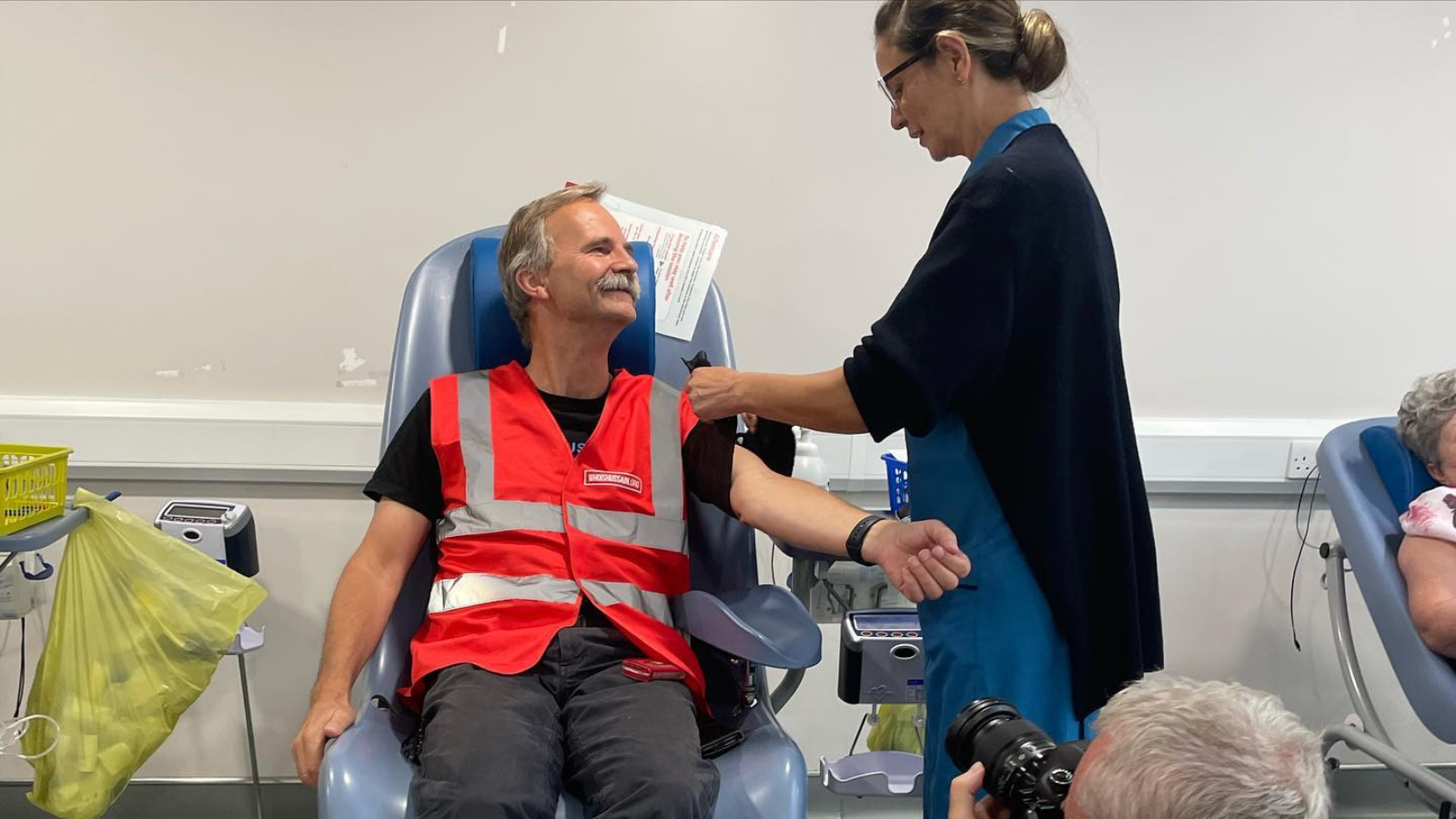
News of the campaign reached every corner of the world. It was covered by international media and recognised by health officials and humanitarian groups. But the biggest success was knowing how many lives were helped.
One unit of blood can support up to three people. That means thousands of patients, from children with cancer to mothers giving birth, received vital care because of this effort. In many parts of the world, especially where supplies are limited, this help made a real difference.
The Global Blood Heroes campaign showed what we can achieve when we work together.


