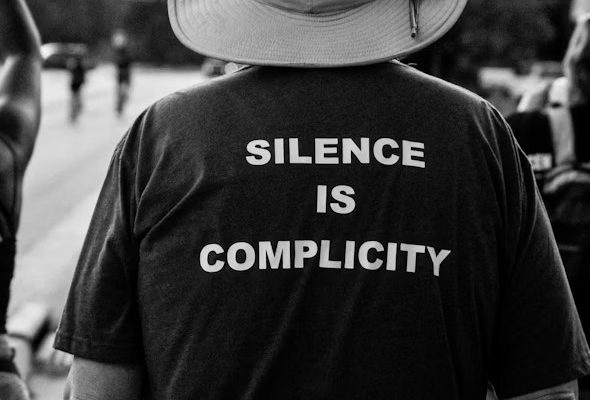
Volunteerism is often understood in practical terms: people giving time and effort to support charitable causes where resources are limited. Yet at its deepest level, it is not merely an operational necessity within the charity ecosystem, rather it is a moral practice. It reflects how individuals understand responsibility, justice, and compassion towards others. Across cultures and belief systems, volunteerism has long served as a bridge between values and action. One contemporary example that illustrates this connection particularly well is the movement of ‘Who Is Hussain’.
In the modern charity ecosystem, volunteers form the foundation upon which many initiatives stand. Financial donations may sustain projects, but the ones who execute them: animate them. These people are present at food banks, blood drives, shelters, awareness campaigns, and emergency responses. Through their involvement, charities move beyond abstract missions and become lived experiences. Volunteerism transforms social concern into direct engagement, allowing individuals to encounter injustice, suffering, and resilience first-hand. This human contact is what gives charitable work its ethical depth.
What makes volunteerism especially powerful is its ability to transcend background, belief, and identity. People volunteer not because they are the same, but because they recognise a shared humanity. The Who Is Hussain movement draws inspiration from Hussain Ibn Ali – a historical figure from seventh-century Arabia, who may be central to people of faith, but is remembered by all as someone who chose moral integrity over personal safety: He stood against tyranny, even though it led to his death.
What is striking about Who Is Hussain is how it translates this memory into universal humanitarian action. The movement asks a simple question: what does standing for justice look like today? The answer, in their work, is volunteerism. Blood donation campaigns, food drives for the homeless, environmental clean-ups, and disaster relief efforts form the core of their activities.
Reflecting on this model highlights an important truth about the charity ecosystem: values become credible when they are practiced. In an age where religious and cultural differences are often sources of division, volunteerism provides a shared ethical language. When someone offers food, time, or care, the act itself communicates dignity and solidarity. In this sense, it functions as a form of moral translation, allowing deeply rooted beliefs to be expressed in ways that are accessible and meaningful to all.
From a reflective standpoint, Who Is Hussain challenges the idea that charity must be detached from moral conviction in order to be inclusive. Instead, it shows that strong ethical traditions, when expressed through compassion rather than exclusivity, can enrich the wider social good. The emphasis on justice, sacrifice, and responsibility toward the oppressed finds natural expression in volunteerism.
Volunteerism also reshapes the volunteer. Engaging in service inspired by principles such as justice and selflessness encourages reflection on one’s own priorities. People who give up their time for this work often report that such experiences move them beyond charity as a transactional act and toward charity as a way of life. This mirrors the understanding of Hussain’s legacy: remembrance is not meaningful unless it leads to ethical action.
In the broader charity ecosystem, movements like Who Is Hussain demonstrate how volunteerism can act as both service and dialogue. It creates spaces where people of different beliefs collaborate without needing to agree on theology. What unites them is a shared commitment to alleviating suffering and affirming human dignity. In this way, the work becomes not only a response to social need, but also a quiet counterforce to polarisation.
In conclusion, volunteerism is more than an accessory to charitable work; it is its moral core. Through reflective engagement, it connects values to action and individuals to communities. The example of Who Is Hussain shows how this process can communicate deep ethical principles in a language everyone understands. It offers a compelling reminder that the most enduring moral messages are often expressed not in words, but in service.